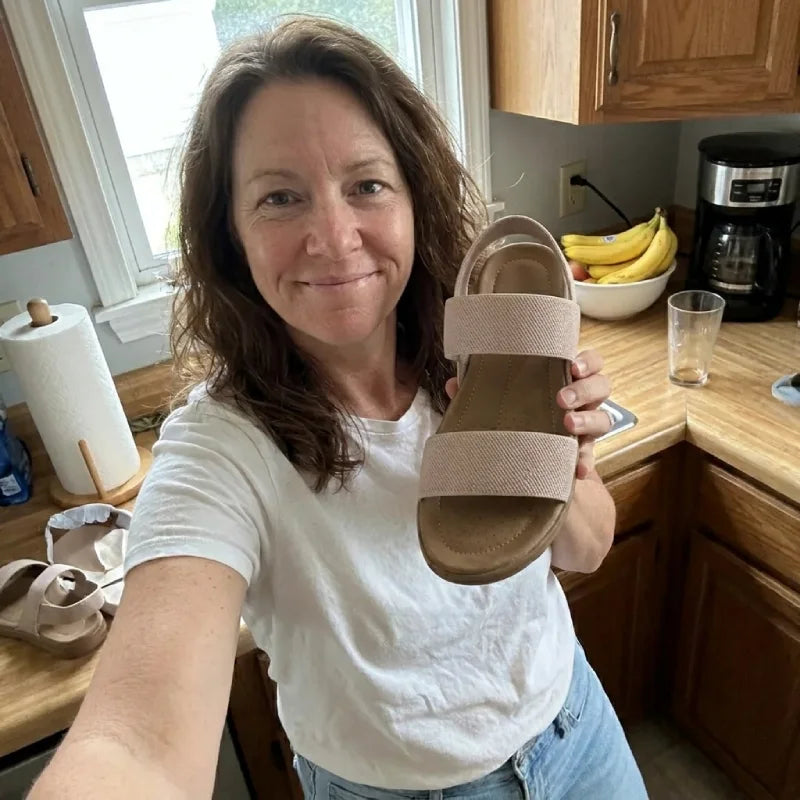
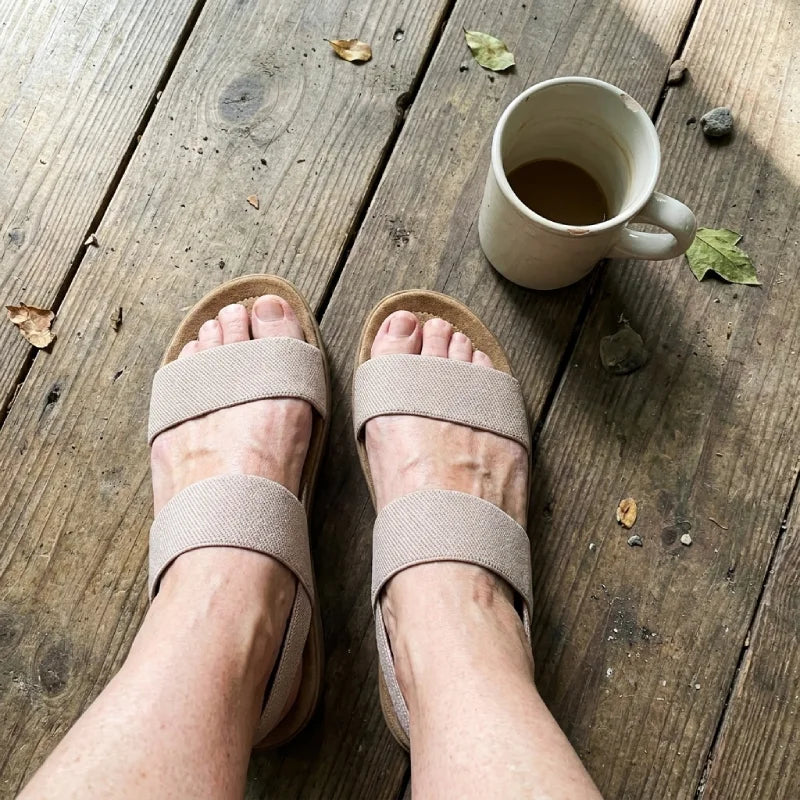
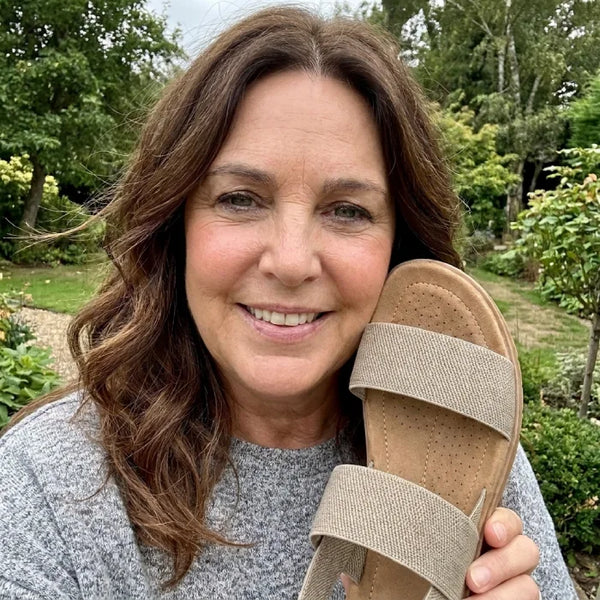
I'm a teacher, on my feet 8+ hours a day. In my old Skechers I'd be hobbling by Friday. Wore these to a wedding last weekend: walked, danced, stood for 6 hours. Zero pain. They've become my everyday pair.
0 items in cart


A shoe can feel soft and comfortable when you first put it on. The real test is how it feels after hours of standing, walking and working.
Here are 6 reasons that can happen, and what a genuinely better long-shift fit needs to do about it.

Standing in a pair of shoes for a few minutes in a store is a different test than wearing them through hours of standing, walking and working.
A small issue that barely registers at the start of a shift can become much more noticeable by the end of it.
So the real question isn't how a shoe feels when you first put it on. It's how it feels several hours in.

Softness is easy to notice the moment you put a shoe on. It's one of the first things people judge a shoe by.
But how a shoe feels across a long shift can also depend on fit, room, how secure it feels, whether the straps can adjust, and whether small pressure points get more noticeable as the hours go on.
Comfort in the first 10 minutes doesn't tell you the whole story.

A strap that feels slightly tight. Toes that feel a little crowded. A heel that moves. A hard edge somewhere. At the start of a shift, things like that can be easy to overlook.
Hours later, they're often the only thing you can think about.
That's why fit quality matters more the longer you're actually wearing something, not less.

After hours of standing, walking and moving around, some people notice their footwear feels different than it did that morning.
A completely fixed strap or upper gives you limited ability to respond to that. Whatever fit you started with is the fit you're stuck with.
Ideally, you'd want some control over the fit instead.

Softness can help. But long-shift footwear also has to get other things right.
Long-shift comfort may depend less on softness alone, and more on a combination: fit, room, adjustability, a footbed that holds its grip, and a strap that stays secure while you move.
You may not simply need a softer shoe. You may need one that gets more of those things right at once.

Put the last five reasons together and the question changes.
Not: "How soft does this feel when I try it on?"
But: "What about this shoe is actually built to hold up across the hours I'll wear it?"
Enough room. A fit that can adjust. A footbed that keeps its grip. A strap that stays secure while you're on your feet. So what should you actually look for?


Long-shift problem: Fit starts feeling restrictive later in a shift.
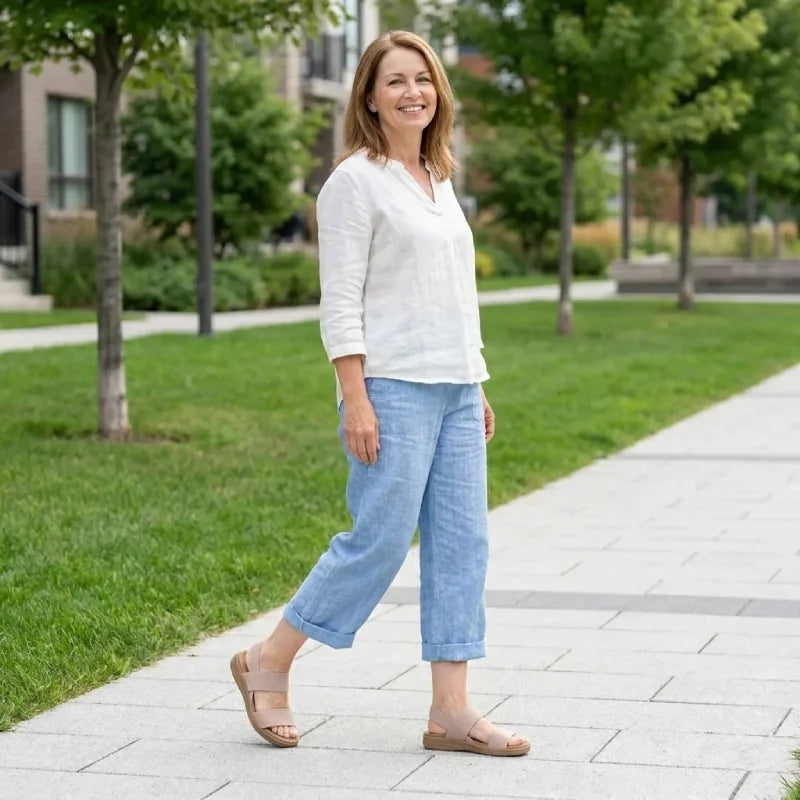
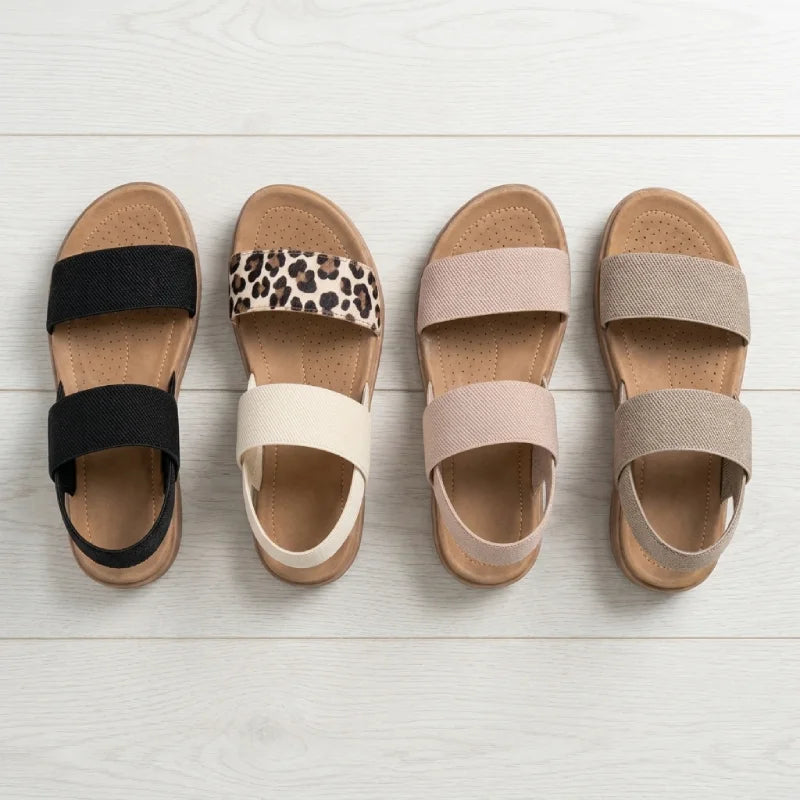
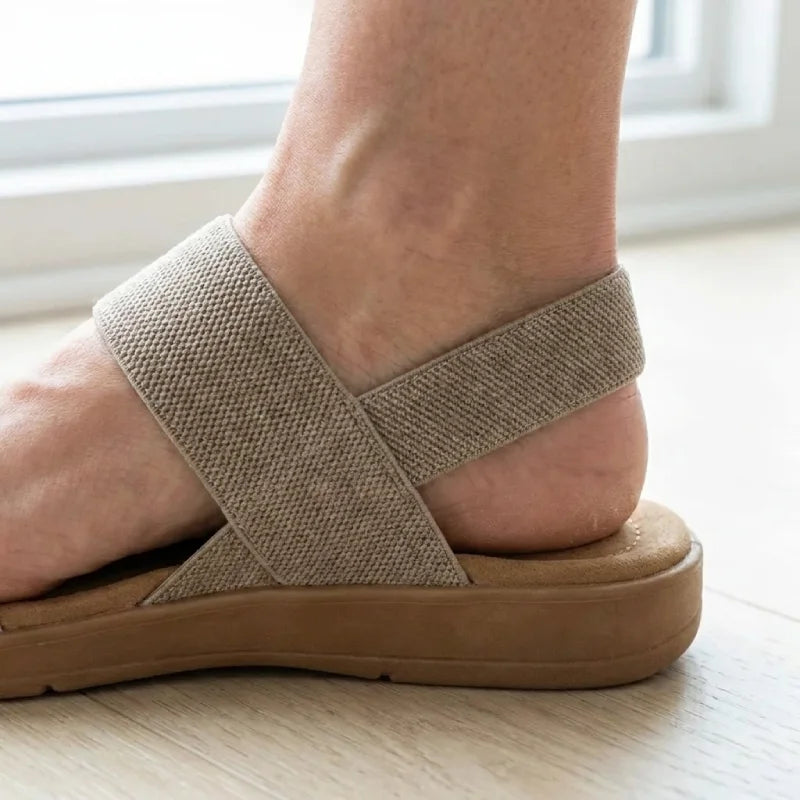
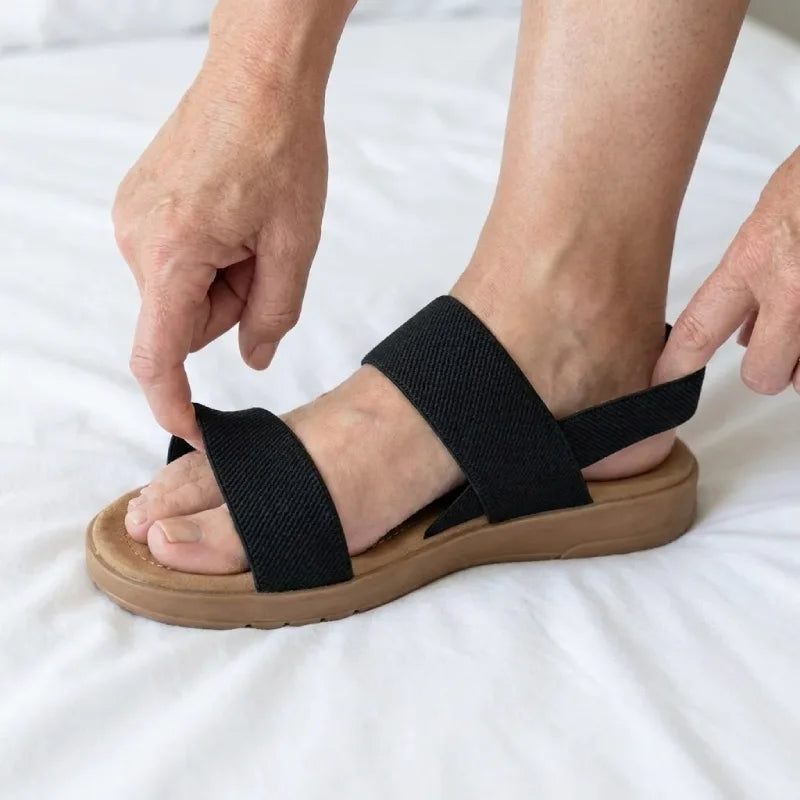
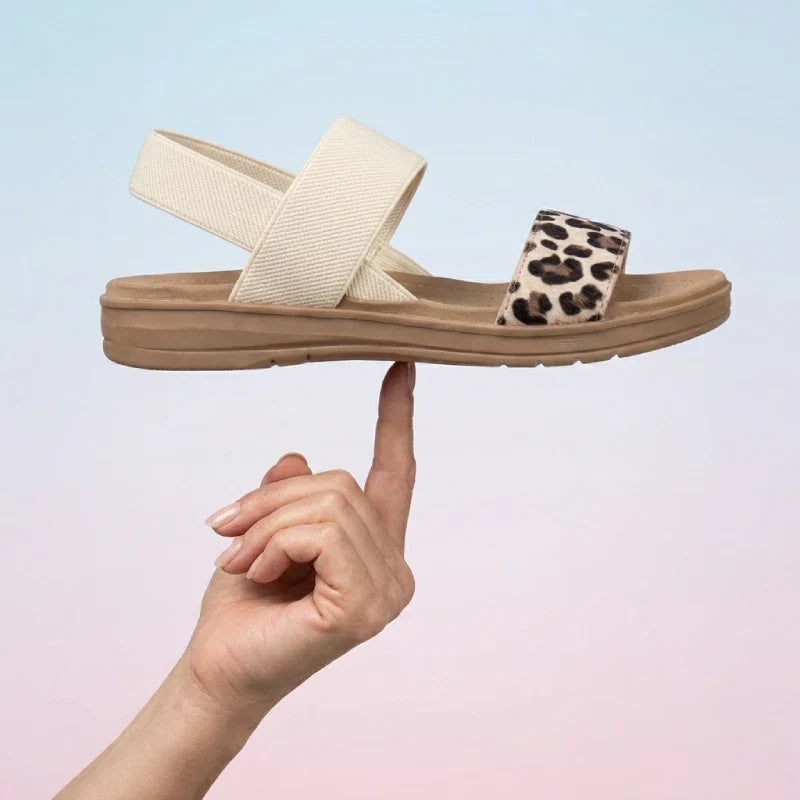
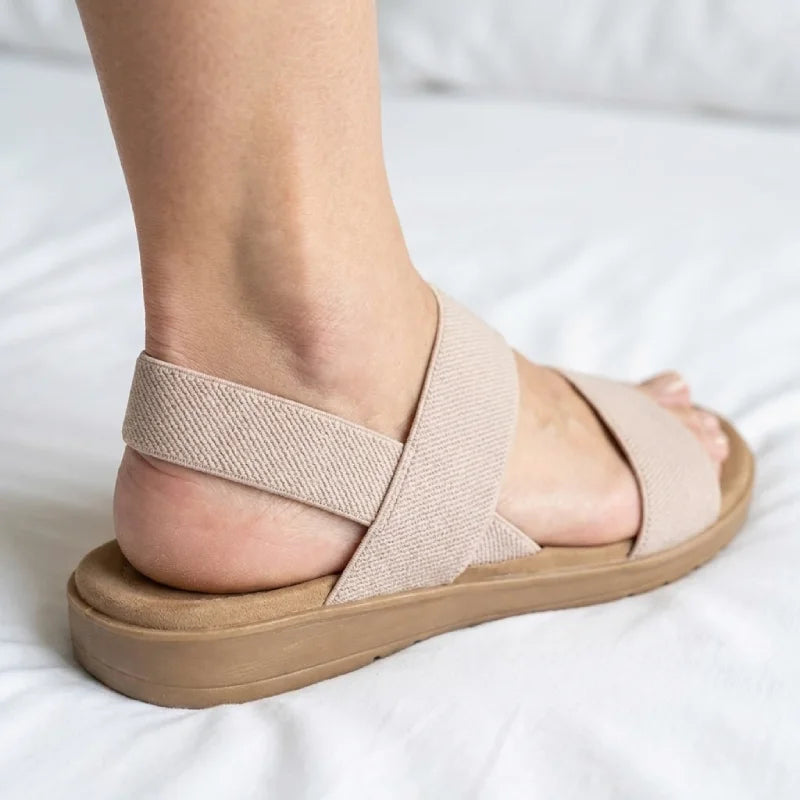
OrthivoFeet: Elastic crossover straps that stretch and move as your feet change through the day.
Long-shift problem: Crowding becomes more noticeable over hours.
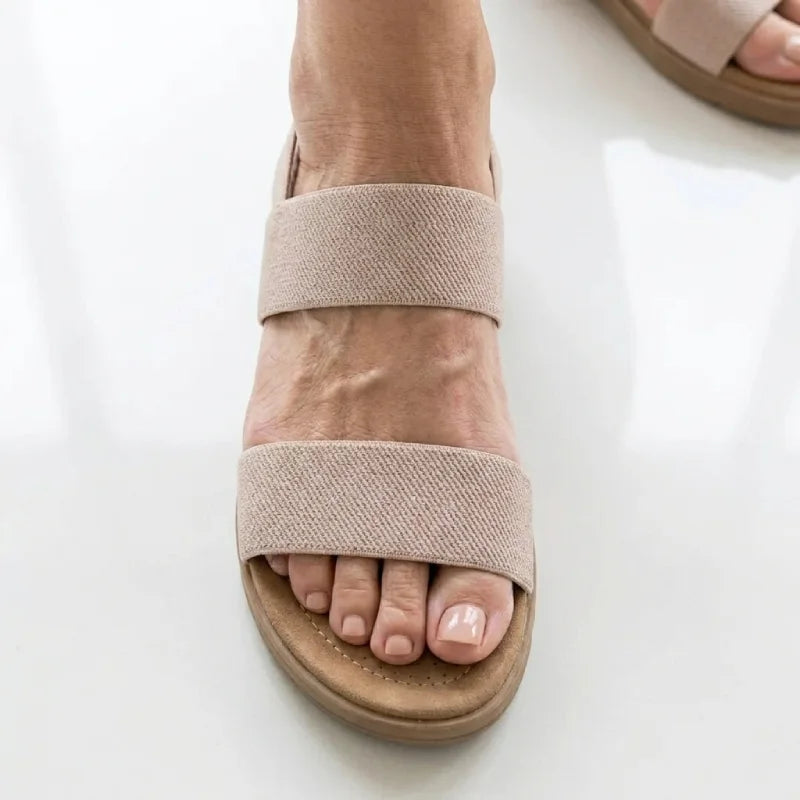
OrthivoFeet: A wide, open toe box that gives your toes room to spread and rest naturally, even after hours on your feet.
Long-shift problem: You still need to feel secure while you're moving around.
OrthivoFeet: A textured footbed built to hold its grip, even if your feet get damp during a long day.
Long-shift problem: Heavy shoes make your legs feel it by the end of a long day.
OrthivoFeet: An intentionally lightweight build, so your legs don't carry the extra weight, hour after hour.

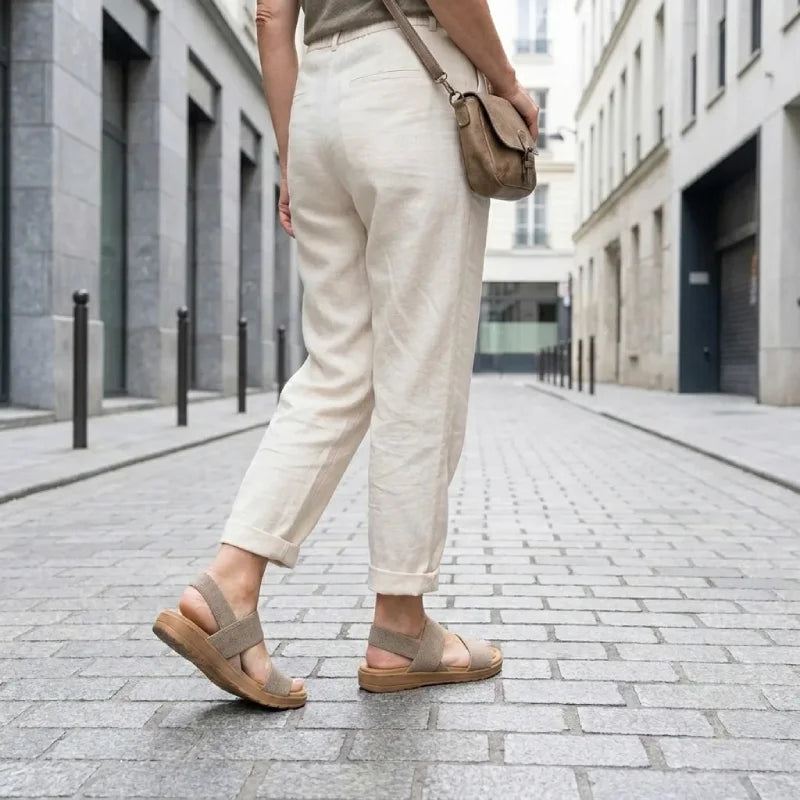
The elastic straps move with your foot instead of holding one fixed shape, and the textured footbed is built to keep its grip even when your feet get damp from hours of movement. Small details, but they're the ones that matter most several hours in.
I'm a teacher, on my feet 8+ hours a day. In my old Skechers I'd be hobbling by Friday. Wore these to a wedding last weekend: walked, danced, stood for 6 hours. Zero pain. They've become my everyday pair.

Took these on a 12-day trip: walked over 50 miles on cobblestones, beaches, and city streets. Zero blisters, zero break-in, zero regrets. Came out of the suitcase looking exactly like the day I packed them. Buying my mom a pair next
A shoe that feels comfortable for ten minutes is easy to find. The better question is how it feels across the hours you actually spend on your feet.